Best Practices for Arranging Your Work Desk Area


Setting up an effective office workstation table is crucial for enhancing productivity and comfort in your work setting. With the growth of remote work and flexible office designs, establishing a personalized and efficient workspace has taken on greater significance. A well-organized workstation not only enhances your workflow but also promotes better posture and minimizes the risk of discomfort during long hours of work.
When selecting your workstation table, there are multiple factors to keep in mind, such as the design, dimensions, and functionality. Whether you prefer a sleek modern look or a more traditional setup, choosing the right office workstation table that meets your needs can significantly impact your daily performance. From the computer desk options to specific designs found at local retailers, this guide will examine the best practices for organizing your office workstation table to foster a productive and pleasant work experience.
Selecting the Appropriate Dimensions and Design
As you pick an office workstation table, the dimensions is a crucial element to take into account. The area available in your office will dictate the dimensions of the table you can select. Take measurements of your room thoroughly to ensure that the workstation does not overwhelm the environment, allowing for smooth movement around the office. A well sized table will enhance productivity and comfort, ensuring you have ample space for your computer, documents, and any other necessary equipment.
The style of the workstation table is just as important, as it adds to both visual appeal and functionality. Think about whether you favor a modern or traditional style, as well as the materials used in the construction. For instance, wooden tables can bring aesthetic appeal to your office, while steel and glass can create a sleek look. Additionally, selecting a design that incorporates organizational solutions, such as drawers or shelves, can help keep your workspace tidy and free of clutter.
Finally, think about the arrangement of your workstation in proximity to other furniture and equipment. An ergonomic setup will promote better posture and reduce strain during long hours of work. Ensure that the height of the computer table is suitable for your chair and that your monitor is at eye level. This thoughtful approach to dimensions and design will contribute significantly to a efficient and enjoyable office environment.
Workplace Ergonomics and Comfort
As you establishing your office workstation table, focusing on ergonomics is vital for sustained comfort and productivity. An ergonomic setup reduces strain on your body and helps avoid conditions such as repetitive strain injuries. Make sure that your chair is adjustable, permitting your feet to rest flat on the ground while your knees remain at a 90-degree angle. Matching your chair with a suitable workstation table height is crucial; your elbows should also rest at a right angle when typing to ensure proper posture.
In addition to chair and table height, monitor placement is important in enhancing comfort. Position your screen at eye level to prevent neck strain. Preferably, the top of the monitor should be at or slightly below eye level, and about an arm's length away. This will help alleviate eye fatigue during long working hours. If you're using dual screens, verify they are evenly aligned to reduce head movement and discomfort.
Utilizing accessories such as wrist rests and keyboard trays can more enhance your workstation's ergonomics. These items help maintain a neutral wrist position while typing, which reducing tension. Moreover, consider using a standing desk converter to alternate between sitting and standing throughout the day, promoting movement and reducing the risks associated with prolonged sitting. A well-designed workstation creates a healthy work environment and boosts overall productivity.
Arranging Your Workspace
A neatly arranged work area can greatly enhance productivity and convenience in the workplace environment. Start by organizing your workspace, removing extra clutter, and maintaining only necessary supplies within reach. This will help establish a clear mindset, allowing you to concentrate on the work free from disturbances. Use organizational tools such as cabinets, racks, or organizers to maintain your workstation table neat.
Then, consider the arrangement of the office table. Position your workspace to enhance efficiency, ensuring that the computer is at eye level and the seating encourages proper alignment. Place your commonly used items, like the keyboard and pointing device, near the main work area. This comfortable approach will help reduce strain and fatigue during extended working periods.
Finally, create a method for organizing papers and materials. Categorize papers into suitable categories and use tags for quick recognition. table desk officeworks can also help simplify your work processes, minimizing mess on your workstation table. Consistently evaluate and reorganize the environment to adjust to evolving needs, ensuring your office remains a efficient haven.
Essential Items for Your Workstation
To enhance the office workstation table setup, contemplate investing in supportive accessories that promote well-being and output. An flexible chair is important, as it maintains proper posture and minimizes strain during long office hours. Additionally, a feet elevation can help maintain a proper position for the legs, alleviating pressure on the back. Adding a sit-stand desk converter can also allow you to switch between sitting and standing, which can enhance energy levels and minimize fatigue.
Another key accessory is a monitor stand or mount. This allows you to position your screen at eye level, minimizing neck and eye strain. A good quality keyboard and mouse are also important, as they ensure ease of use while typing or navigating. Look for models that are designed with ergonomics in mind, as this can make a big difference in your overall ease. Furthermore, arranging your workspace with cable management solutions and desktop organizers can help minimize clutter, leading to a more focused work environment.
Lastly, don't overlook the importance of sufficient lighting for the workstation. office workstation table hyderabad should be prioritized whenever possible, but consider adding dimensional desk lamps with warm light to reduce glare. Proper lighting can help avoid eye strain and create a more inviting workspace. Personal elements such as plants or artwork can also enhance your productivity by making your workstation more appealing and encouraging.
Arranging for Productivity
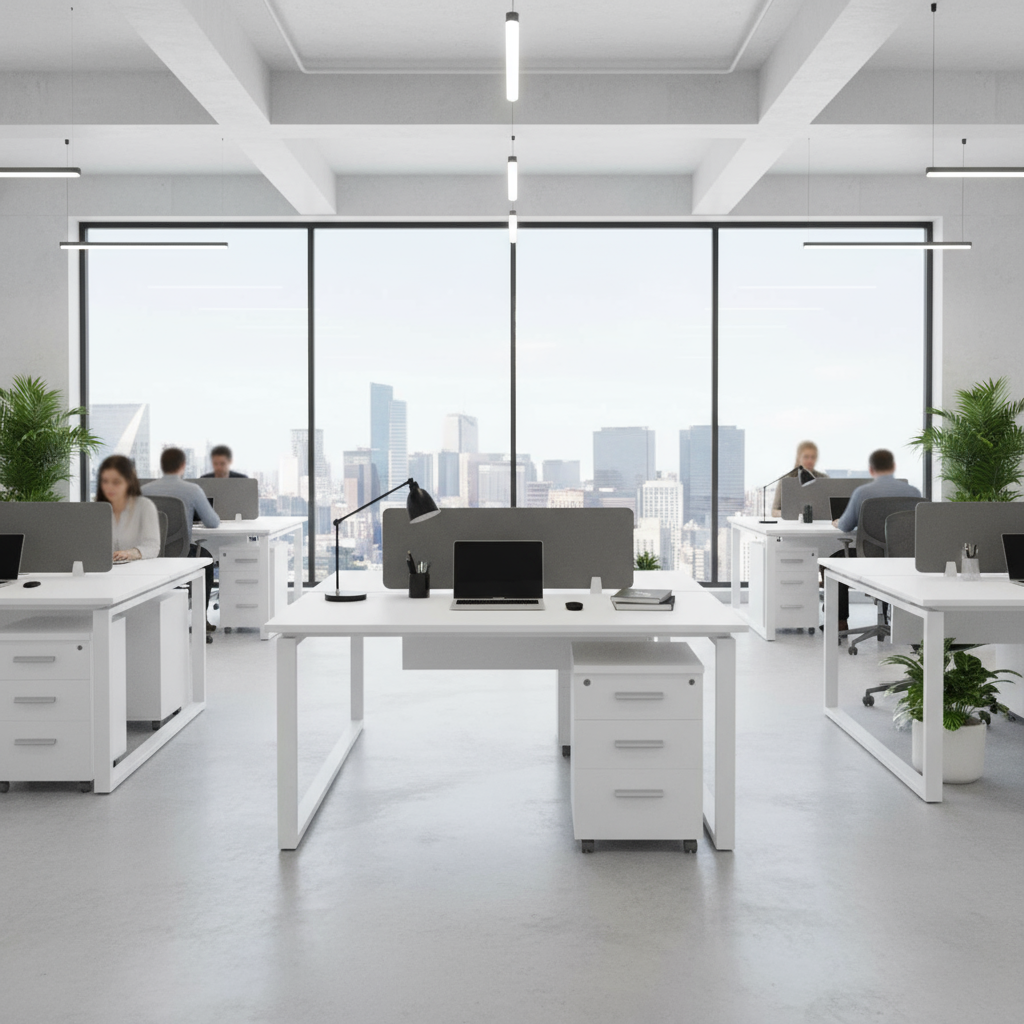
Creating a successful setup at your workstation workspace is crucial for boosting focus and productivity. Commence by arranging your desk to eliminate distractions. Maintain only the items you require for your routine tasks within reach, such as your desktop, a note-taking device, and key stationery. This tidy and structured arrangement will help you focus better and avoid avoidable disruptions.
Next, think about the comfort of your workspace. Your workspace should be at the correct height to maintain your hands aligned while working, and your display should be at eye height to reduce discomfort. Investing in posture-friendly tools, such as a keyboard tray and a comfortable seat, can improve your general comfort and boost your efficiency performance significantly.
Finally, enhance your office table for optimal illumination and customization. Use natural light whenever possible to minimize tension, and if required, include additional lights for late hours. Personalizing your workspace with inspirational quotes or greenery can create a friendlier atmosphere, which can positively influence your emotional state and output throughout the work period.